

You have got your rig loaded up, your buddies are ready, and the trail is calling your name. Before you air down and hit the dirt, run through this checklist. Whether you are brand new to off-roading or have been wheeling for years, these ten tips can be the difference between an epic adventure and a very long, very expensive day.
1. Air Down Your Tires
The golden rule of off-roading is simple. Air down before you wheel.
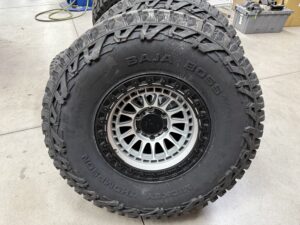
Drop your tire pressure to somewhere between 15 and 25 PSI depending on the terrain. This gives your tires a larger contact patch with the ground.
A bigger footprint means better traction on sand, dirt, and rock. Your ride gets noticeably smoother too. And your chances of puncturing a tire on sharp edges drop significantly.
Running full street pressure on the trail is one of the most common beginner mistakes. Get yourself a quality tire deflator and make airing down part of your pre-trail routine.
2. Know How to Engage 4WD Before You Need It
The worst time to figure out your four-wheel drive system is when you are already stuck.
Spend time on easy terrain getting comfortable with your transfer case. Use 4-High for loose gravel roads, dirt trails, and mild mud. Switch to 4-Low when you need maximum torque for slow technical crawling over boulders, steep climbs, or thick sticky mud.
Knowing your system before things get gnarly will save you a serious headache out there.
3. Always Pick Your Line
Off-road driving is as much mental as it is mechanical.
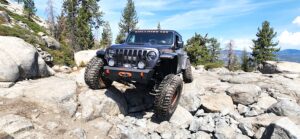
Take a moment before each obstacle to pick your line. A good line positions your tires to roll up and over rocks and ledges. This protects your undercarriage and keeps repair bills low.
When you are unsure about a steep section, get out and walk it first. A two-minute walk can prevent a two-hour recovery

4. Pack Essential Off-Road Recovery Gear
Even the most experienced off-road drivers get stuck. It happens to everyone.
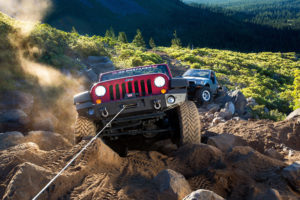
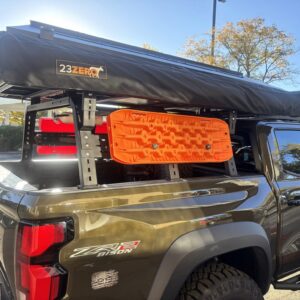
What separates a quick recovery from a miserable ordeal is having the right gear. At minimum, bring a heavy duty recovery strap without metal hooks, a set of soft shackles, and a good pair of traction boards.
A portable air compressor is also essential. You will need it to reinflate your tires once you return to pavement. If you are running trails with friends, talk through your recovery plan before you head out.
5. Bring Extra Water, Food, and Emergency Supplies
Remote off-road trails are nowhere near a gas station, grocery store, or urgent care clinic. You are truly on your own.
Pack at least one gallon of water per person per day. Bring food with a long shelf life like jerky, nuts, and granola bars. A comprehensive first-aid kit is non-negotiable.
For navigation, carry a paper map and a downloaded offline GPS route. You will almost certainly lose cell service once you get deep into the backcountry.
6. Secure All Cargo Before You Roll
A trail that looks manageable from the trailhead can feel like a washing machine once you are actually on it.
Any loose items in your cab or cargo area can become projectiles the moment you hit a big ledge or drop into a deep rut.
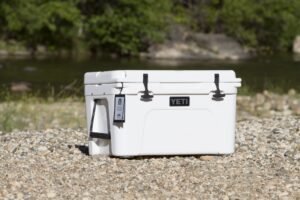
Before you leave, strap down heavy items like coolers, toolboxes, and jacks. Use quality tie-downs or a locked drawer system. This protects your passengers and your gear.


7. Practice Basic Trail Etiquette
The off-road community has its own set of unwritten rules. Knowing them makes you a better wheeling partner and a better steward of the trails we all love.
One of the most important rules is right of way. Uphill traffic has priority. If you are heading downhill and meet a vehicle climbing toward you, find a safe spot and let them pass.
Practice leave no trace by packing out everything you pack in. Always leave gates exactly as you found them.
8. Know Your Vehicle's Off-Road Specs
Understanding what your vehicle can and cannot handle is one of the most underrated skills in off-roading.
Before hitting any technical trail, know your ground clearance, approach angle, breakover angle, and departure angle. These numbers tell you how steep of a ledge you can climb, how sharp of a crest you can clear, and how steep of a drop you can descend.
Every vehicle has its limits. Knowing yours keeps you from finding them the hard way miles from the nearest paved road.
9. Scout Water Crossings Before You Drive Through
Water crossings are one of the most exciting parts of off-roading. They are also one of the most dangerous if you rush them.
Never drive into water without knowing the depth and what the bottom looks like. Get out and walk the crossing first. Check for deep ruts, submerged rocks, and slick muddy bottoms.
Most importantly, confirm the water level sits well below your engine air intake. Hydrolocking your engine by sucking in water is catastrophic and entirely preventable with a little patience.
10. Know When to Turn Around
This might be the most important tip on the list.
The best off-roaders are not the ones who charge at every obstacle without hesitation. They are the ones who know when to say no.
If a climb looks too steep, a line looks too narrow, or something just feels off, trust your gut and turn around. There is no shame in bypassing an obstacle or calling it a day early.
The trail will be there next weekend. Your vehicle and your passengers are counting on you to make smart decisions.
1. Air Down Your Tires
The golden rule of off-roading is simple. Air down before you wheel.
Drop your tire pressure to somewhere between 15 and 25 PSI depending on the terrain. This gives your tires a larger contact patch with the ground.
A bigger footprint means better traction on sand, dirt, and rock. Your ride gets noticeably smoother too. And your chances of puncturing a tire on sharp edges drop significantly.
Running full street pressure on the trail is one of the most common beginner mistakes. Get yourself a quality tire deflator and make airing down part of your pre-trail routine.
2. Know How to Engage 4WD Before You Need It
The worst time to figure out your four-wheel drive system is when you are already stuck.
Spend time on easy terrain getting comfortable with your transfer case. Use 4-High for loose gravel roads, dirt trails, and mild mud. Switch to 4-Low when you need maximum torque for slow technical crawling over boulders, steep climbs, or thick sticky mud.
Knowing your system before things get gnarly will save you a serious headache out there.
3. Always Pick Your Line
Off-road driving is as much mental as it is mechanical.
Take a moment before each obstacle to pick your line. A good line positions your tires to roll up and over rocks and ledges. This protects your undercarriage and keeps repair bills low.
When you are unsure about a steep section, get out and walk it first. A two-minute walk can prevent a two-hour recovery

4. Pack Essential Off-Road Recovery Gear
Even the most experienced off-road drivers get stuck. It happens to everyone.
What separates a quick recovery from a miserable ordeal is having the right gear. At minimum, bring a heavy duty recovery strap without metal hooks, a set of soft shackles, and a good pair of traction boards.
A portable air compressor is also essential. You will need it to reinflate your tires once you return to pavement. If you are running trails with friends, talk through your recovery plan before you head out.
5. Bring Extra Water, Food, and Emergency Supplies
Remote off-road trails are nowhere near a gas station, grocery store, or urgent care clinic. You are truly on your own.
Pack at least one gallon of water per person per day. Bring food with a long shelf life like jerky, nuts, and granola bars. A comprehensive first-aid kit is non-negotiable.
For navigation, carry a paper map and a downloaded offline GPS route. You will almost certainly lose cell service once you get deep into the backcountry.
6. Secure All Cargo Before You Roll
A trail that looks manageable from the trailhead can feel like a washing machine once you are actually on it.
Any loose items in your cab or cargo area can become projectiles the moment you hit a big ledge or drop into a deep rut.
Before you leave, strap down heavy items like coolers, toolboxes, and jacks. Use quality tie-downs or a locked drawer system. This protects your passengers and your gear.
7. Practice Basic Trail Etiquette
The off-road community has its own set of unwritten rules. Knowing them makes you a better wheeling partner and a better steward of the trails we all love.
One of the most important rules is right of way. Uphill traffic has priority. If you are heading downhill and meet a vehicle climbing toward you, find a safe spot and let them pass.
Practice leave no trace by packing out everything you pack in. Always leave gates exactly as you found them.
8. Know Your Vehicle's Off-Road Specs
Understanding what your vehicle can and cannot handle is one of the most underrated skills in off-roading.
Before hitting any technical trail, know your ground clearance, approach angle, breakover angle, and departure angle. These numbers tell you how steep of a ledge you can climb, how sharp of a crest you can clear, and how steep of a drop you can descend.
Every vehicle has its limits. Knowing yours keeps you from finding them the hard way miles from the nearest paved road.
9. Scout Water Crossings Before You Drive Through
Water crossings are one of the most exciting parts of off-roading. They are also one of the most dangerous if you rush them.
Never drive into water without knowing the depth and what the bottom looks like. Get out and walk the crossing first. Check for deep ruts, submerged rocks, and slick muddy bottoms.
Most importantly, confirm the water level sits well below your engine air intake. Hydrolocking your engine by sucking in water is catastrophic and entirely preventable with a little patience.
10. Know When to Turn Around
This might be the most important tip on the list.
The best off-roaders are not the ones who charge at every obstacle without hesitation. They are the ones who know when to say no.
If a climb looks too steep, a line looks too narrow, or something just feels off, trust your gut and turn around. There is no shame in bypassing an obstacle or calling it a day early.
The trail will be there next weekend. Your vehicle and your passengers are counting on you to make smart decisions.
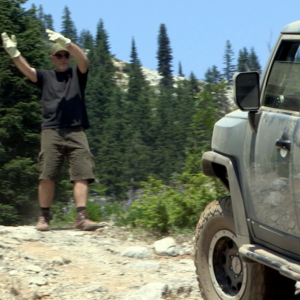
Getting out on the trail is one of the best ways to experience the outdoors and push your rig to its limits. Do the prep work, pack the right gear, and respect both the trail and your vehicle.
Need help with any of the above? Give Bullhide 4x4 a call. We are here to help you with all your 4x4 needs.
GET A QUOTE TODAY
📞 Call us at (970) 224-2288
📍 Visit us at 216 West Horsetooth Road, Fort Collins, CO 80525
📩 Or Contact Us Online
Learn More From The Experts At Bullhide 4x4
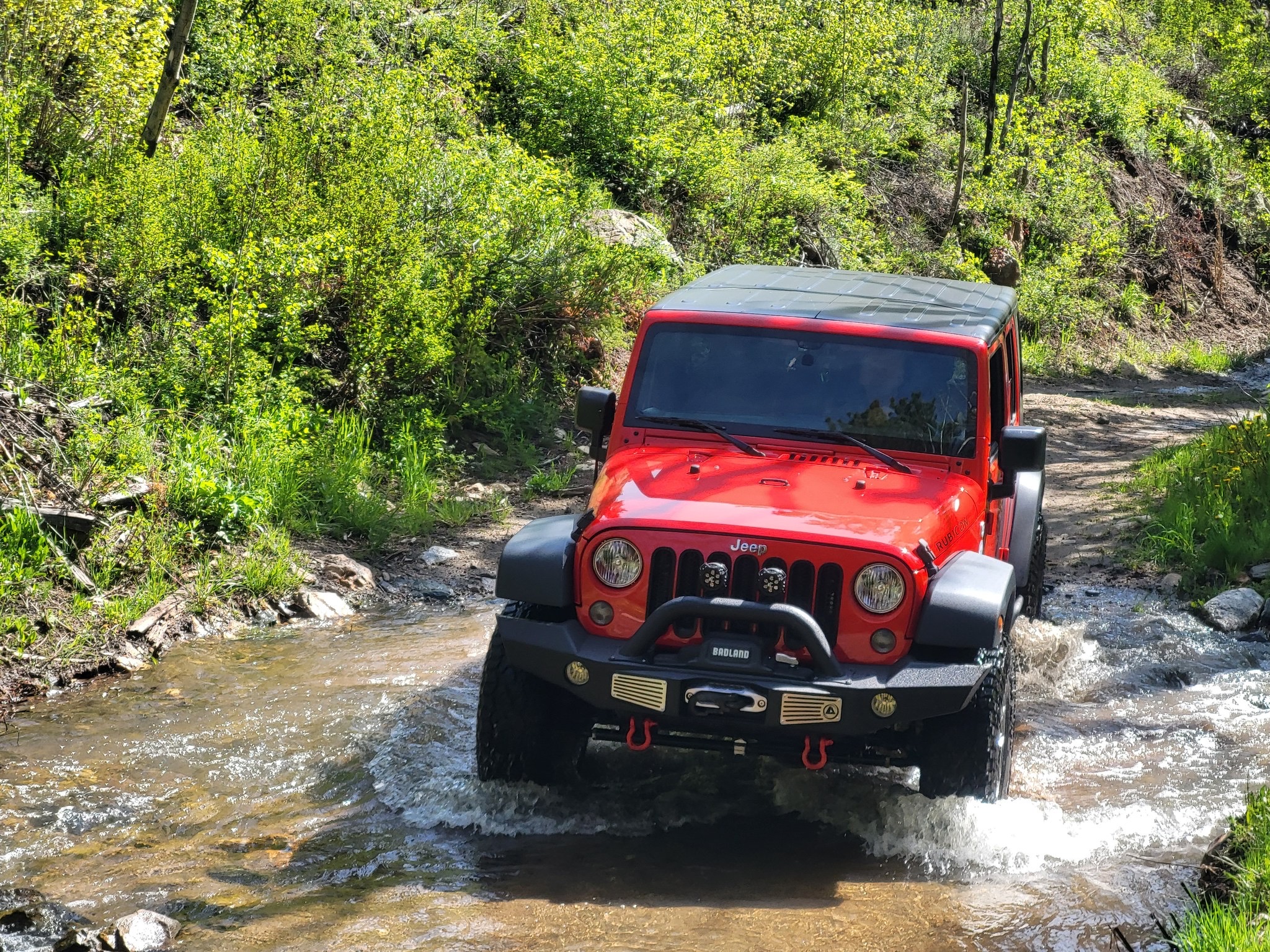
Mud Season Off-Roading in Northern Colorado
Mud season in Northern Colorado presents unique challenges for off-road drivers. As snowpack melts and trails reopen, soil saturation reaches its peak and creates conditions that can compromise traction, destabilize vehicles, and cause significant environmental damage. Understanding what you are driving into before you air down is the foundation of a safe and responsible outing.Continue reading→
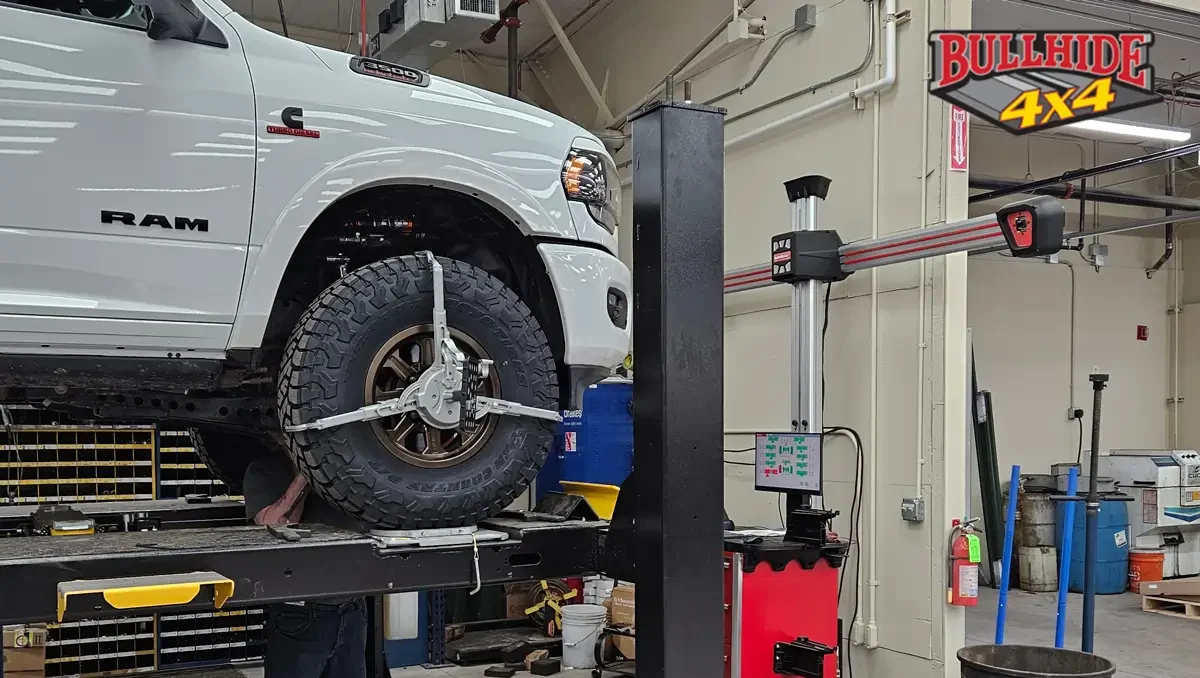
Unlocking Vehicle Stability: The Importance of Alignments in Fort Collins
Unlocking Vehicle Stability: The Importance of Alignments in Fort Collins Ensuring your vehicle's optimal performance and tire longevity requires more than just routine maintenance – it involves understanding and maintaining proper alignment. In Fort Collins, where road conditions can vary, alignment plays a crucial role in vehicle driveability, stability, and tire wear. What happens during...Continue reading→

Winch Safety Guidelines
Spring is around the corner and many can’t wait to get back on the trails. We want you to have a good time, but also be safe! Inevitably, you or someone you come across may get stuck and need to be winched out or over an obstacle. Before heading out, it’s very important you know...Continue reading→