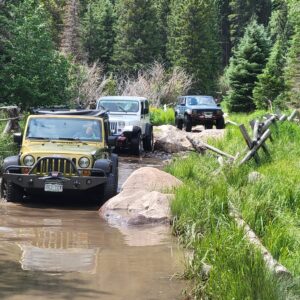
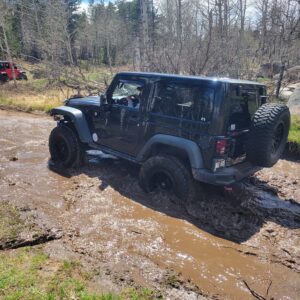
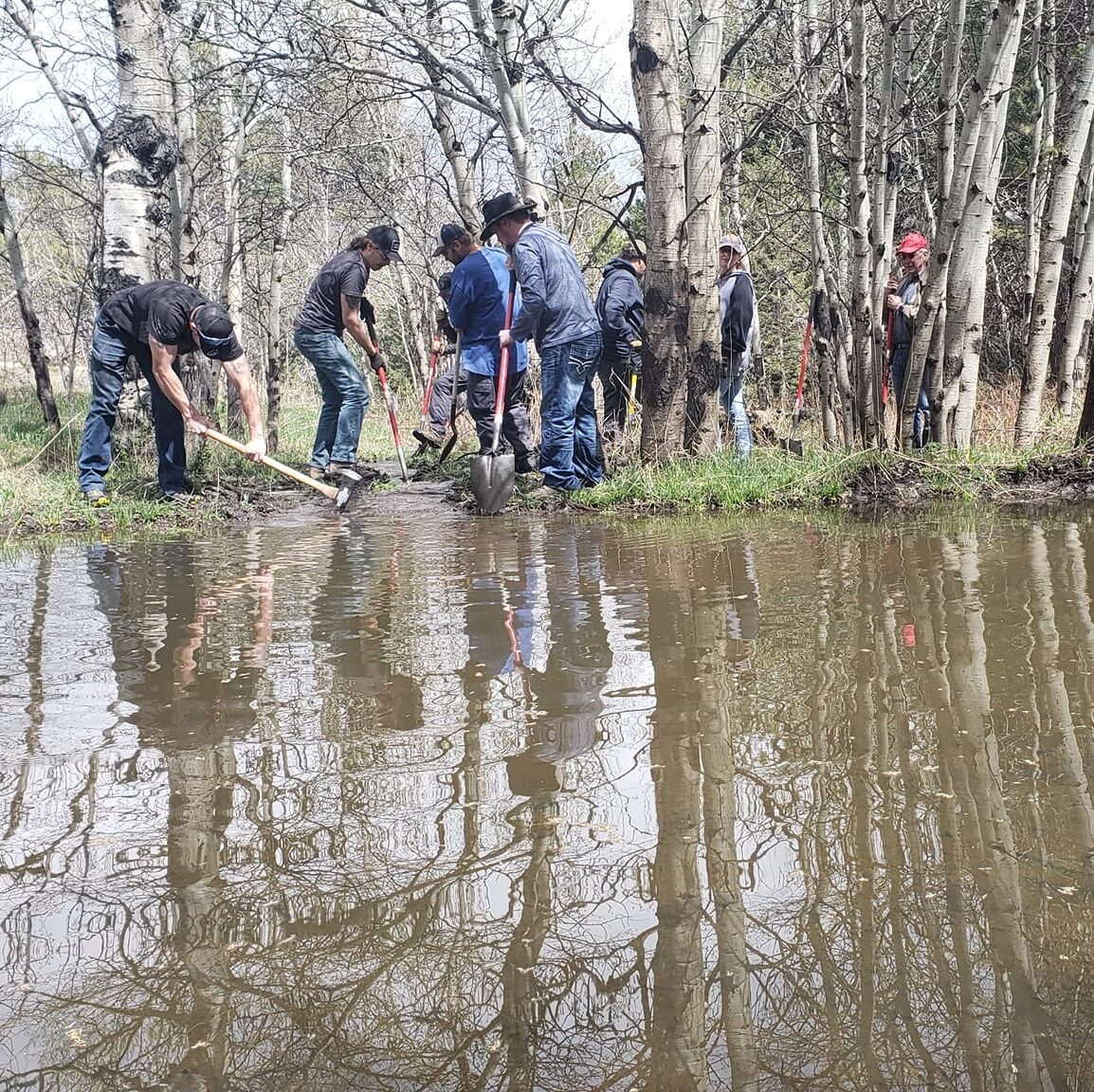
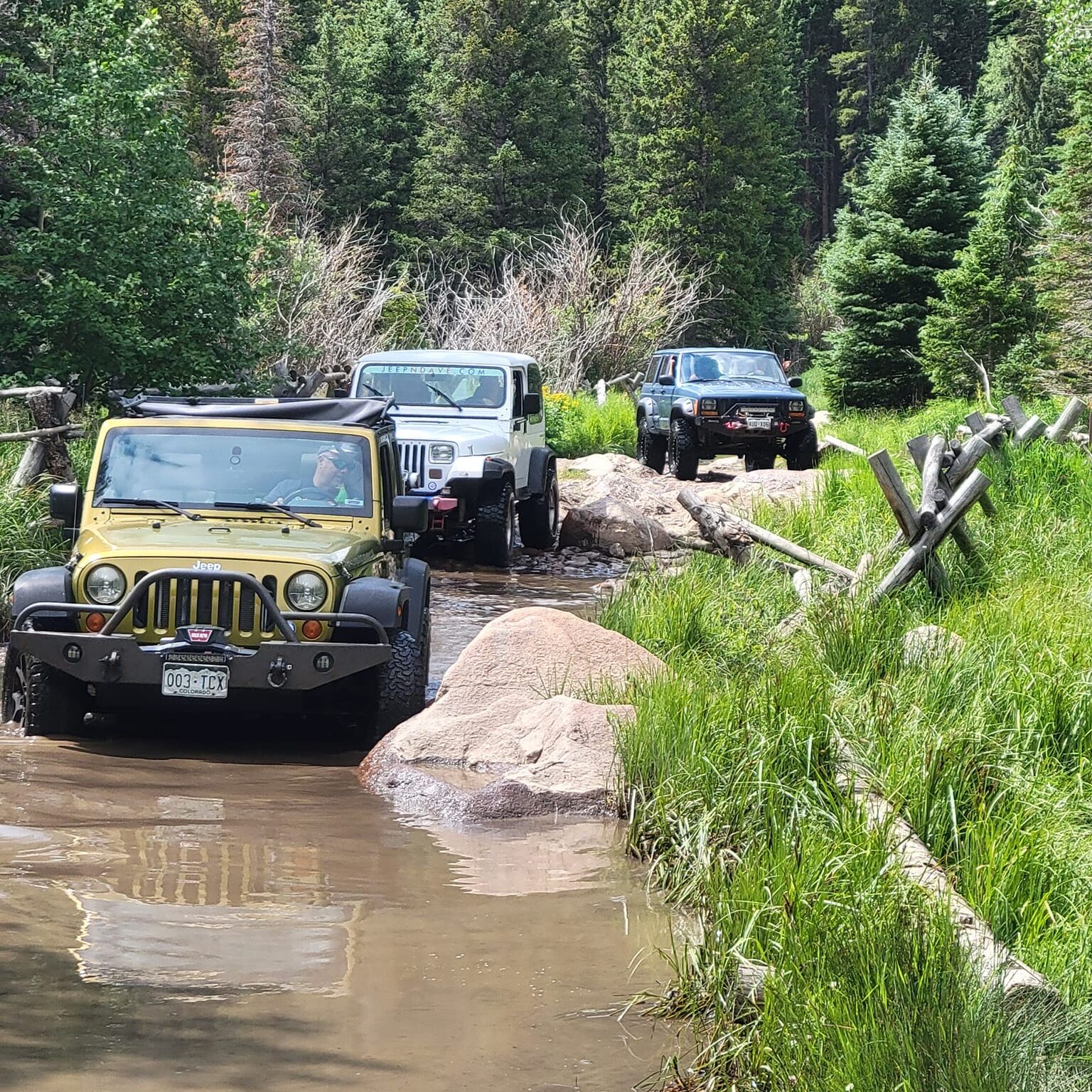
Mud season in Northern Colorado presents unique challenges for off-road drivers. As snowpack melts and trails reopen, soil saturation reaches its peak and creates conditions that can compromise traction, destabilize vehicles, and cause significant environmental damage. Understanding what you are driving into before you air down is the foundation of a safe and responsible outing.
Essential Recovery Equipment
Being properly equipped is the difference between a self-rescue and an expensive recovery call. Every driver heading out during mud season should carry and understand the following gear.
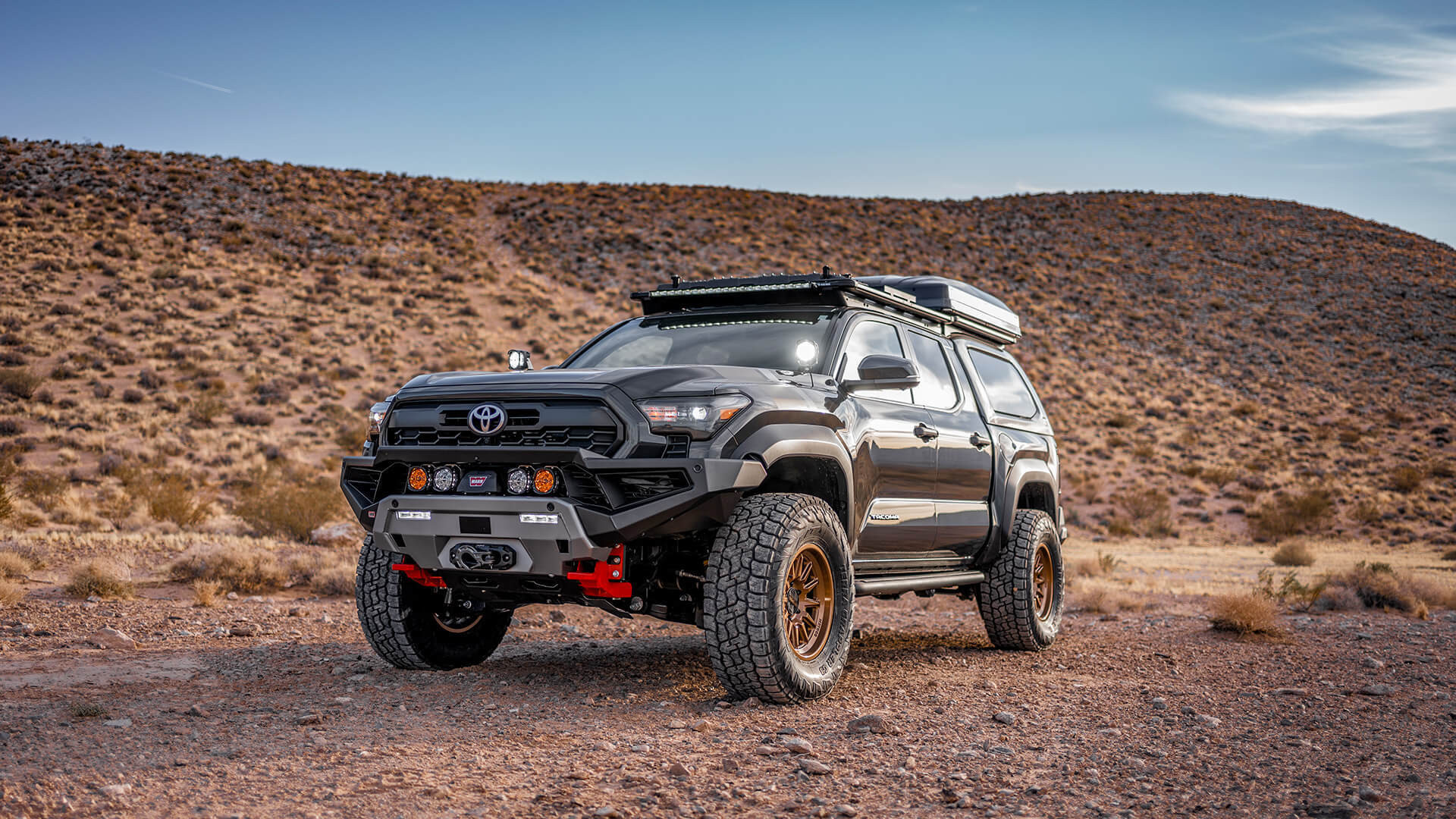
A winch allows you to anchor to a solid point and pull your vehicle free using mechanical force. It is the most reliable self-recovery tool available and should be considered foundational for mud season.
Traction boards are placed beneath spinning tires to create a solid surface for the vehicle to climb out of soft ground. A kinetic recovery rope uses built-in elasticity to store and release energy during a pull, generating significant extraction force without the shock load that rigid straps transfer to both vehicles.
Rounding out a solid kit is a shovel for clearing mud from around tires and undercarriage, and recovery straps as a backup connection when working with another vehicle.
Always Wheel With a Partner
Even the most experienced drivers in the most capable rigs get stuck in mud. A trail partner can establish a winch anchor, execute a kinetic rope pull, provide equipment you may not have carried, or go for help when things go sideways in remote terrain. The rule is simple. Always bring a buddy.
Protecting the Trail
Two behaviors cause the majority of long-term trail damage.
The first is bypassing obstacles. When a mud pit looks impassable, the instinct is to drive around it. This is one of the leading causes of trail widening, which accelerates quickly and is very difficult to reverse. Land managers track this damage and it is a primary reason trails get closed. If an obstacle cannot be crossed safely, turn around.
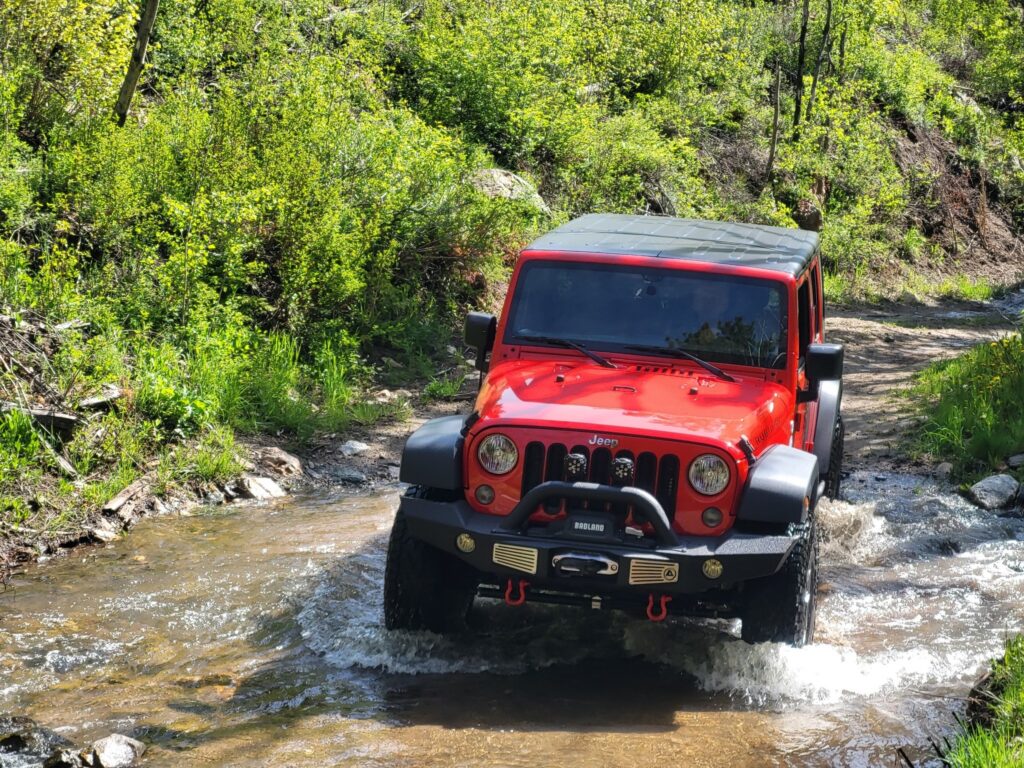
The second is high-speed water crossings. Sending a vehicle through at speed damages surrounding vegetation and can hydraulic-lock an engine. Water fording should always be done slowly and steadily. These environments are fragile, and irresponsible use puts long-term trail access at risk for everyone.
Before You Head Out
If your recovery kit needs an assessment before mud season gets underway, stop by the shop or give us a call. The goal is to keep you moving, keep the trails open, and keep Northern Colorado's backcountry accessible for years to come.
Essential Recovery Equipment
Being properly equipped is the difference between a self-rescue and an expensive recovery call. Every driver heading out during mud season should carry and understand the following gear.
A winch allows you to anchor to a solid point and pull your vehicle free using mechanical force. It is the most reliable self-recovery tool available and should be considered foundational for mud season.
Traction boards are placed beneath spinning tires to create a solid surface for the vehicle to climb out of soft ground. A kinetic recovery rope uses built-in elasticity to store and release energy during a pull, generating significant extraction force without the shock load that rigid straps transfer to both vehicles.
Rounding out a solid kit is a shovel for clearing mud from around tires and undercarriage, and recovery straps as a backup connection when working with another vehicle.
Always Wheel With a Partner
Even the most experienced drivers in the most capable rigs get stuck in mud. A trail partner can establish a winch anchor, execute a kinetic rope pull, provide equipment you may not have carried, or go for help when things go sideways in remote terrain. The rule is simple. Always bring a buddy.
Protecting the Trail
Two behaviors cause the majority of long-term trail damage.
The first is bypassing obstacles. When a mud pit looks impassable, the instinct is to drive around it. This is one of the leading causes of trail widening, which accelerates quickly and is very difficult to reverse. Land managers track this damage and it is a primary reason trails get closed. If an obstacle cannot be crossed safely, turn around.
The second is high-speed water crossings. Sending a vehicle through at speed damages surrounding vegetation and can hydraulic-lock an engine. Water fording should always be done slowly and steadily. These environments are fragile, and irresponsible use puts long-term trail access at risk for everyone.
Before You Head Out
If your recovery kit needs an assessment before mud season gets underway, stop by the shop or give us a call. The goal is to keep you moving, keep the trails open, and keep Northern Colorado's backcountry accessible for years to come.
GET A QUOTE TODAY
📞 Call us at (970) 224-2288
📍 Visit us at 216 West Horsetooth Road, Fort Collins, CO 80525
📩 Or Contact Us Online
Learn More From The Experts At Bullhide 4x4
Unlocking Vehicle Stability: The Importance of Alignments in Fort Collins
Unlocking Vehicle Stability: The Importance of Alignments in Fort Collins Ensuring your vehicle's optimal performance and tire longevity requires more than just routine maintenance – it involves understanding and maintaining proper alignment. In Fort Collins, where road conditions can vary, alignment plays a crucial role in vehicle driveability, stability, and tire wear. What happens during...Continue reading→
Winch Safety Guidelines
Spring is around the corner and many can’t wait to get back on the trails. We want you to have a good time, but also be safe! Inevitably, you or someone you come across may get stuck and need to be winched out or over an obstacle. Before heading out, it’s very important you know...Continue reading→
5 Things to Consider Before You Overland
Imagine being by the campfire, looking up at the sky and seeing more stars than you’ve ever seen, and hearing the calls of nature you would never hear in the city. Getting off-road, away from the crowds, and sleeping under the star-lit sky is very enticing. That’s the draw to Overlanding! Before you hop in...Continue reading→